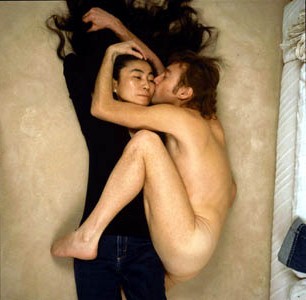
Fashion photography is a type of photography conventionally portraying fashion clothing and and models. This genre of photography is normally used in advertisements and fashion magazines such as Vogue and Vanity Fair. Some great photographers of our time would have to be, Annie Leibovitz, Helmut Newtown, Steven Meisel and Mario Testino. Throughout this report, I will be focusing on Annie Leibovitz as she was my main inspiration for my fashion photography.
Annie Leibovitz has come a great distance within her career as a photographer. She inspires by just a click of a finger. Her creative mind and her recreations of fantasies are brought to light in just a single photo, such as her Alice in Wonder Land shoot for vogue. Leibovitz was born in the state of Connecticut, growing up looking through a car glass window. Her father was a lieutenant colonel in the U.S. Air Force and her mother Marilyn Leibovitz was a modern dance instructor of Estonian Jewish heritage. This meant that Annie along with her five other siblings would often have to drive to different post because of their fathers jobs requirements. I believe that driving post to post was a blind inspiration to what she would become later on in life. She saw the world through a squared like glass window, which is similar to looking through the lens of a camera.
 |
| Alice in Wonder Land- Annie Leibovitz |
Fashion photography requires the photographer to be innovative and inventive, almost like a story teller. I believe that what makes a good photo is not just capturing something by accident, but to also put it together like a piece of puzzle to create a complete image. Fashion Photographers such as Annie, would usually have to choreograph the picture to tell a story relating to what they’re trying to portray. With a fashion shoot, there is a lot of pre production work that’s needed to be done. Fashion photographers have to consider all the features of Mise en scene to make a good picture. Mise en scene, meaning the props, location, lighting and model, etc. They take all of these into consideration because it is not the type of photography where you take pictures of your surroundings and other objects, it is often and usually contrived. You have a lot of control in fashion photography, because you are able to create a world only imaginable most times.
 |
| Tina Fey in Vanity Fair Photographed by Annie Leibovitz |
I would like to recreate some of Annie Leibovitz work in my own way and slightly different, however, I do not own the expensive camera equipment she does, and I don’t have a professional studio room to use. I will have to make do with my Lumix FZ100 and my college’s studio. Leibovitz does not use any particular camera; she would normally have more than one camera on a scene. This could be as a backup in case one camera breaks, but it’s also so that she can have different formats of one picture. Cameras popularly used by fashion photographers are Canon and Nikon DSLR’s. For example Leibovitz used a Canon EOS 1Ds for one of her studio shoots. Billboard pictures require a camera that has a high amount of pixels, so the larger the picture, the larger the pixels. My photos wouldn’t need to be as big as a billboard, so I do not have to worry about the mega pixels on my camera, however it does help with the clarity of the picture.
Photography has become very common, where even consumers of cameras can become their own photographers. Being a photographer in the past meant that you would of had to have an understanding of how everything worked, such as lighting, shades and working the camera, and also printing the picture. It was considered to be a difficult skill. Now it is very easy. Photography is used for many different things such as news magazines, etc. It is very important in society because it adds a definite visual of what you may be trying to describe. Without photography, Glamour would probably only exist on Cat walks and store displays, like Selfridges.
 |
| Display at Selfridges London |
Ultimately from my research I’ve gathered a lot of information to apply to my next assignment. I will be studying some of Annie Leibovitz photos and attempt to recreate them but in a different light. For example, I would like to recreate the famous John Lennon photo, but as an ad for underwear. By doing this, it will be a form of intertextuality, because I’m mimickinga famous photo to be something else. Like when movies mimic famous scenes.


